Simple custom business tools · West Texas

We build simple tools for the parts of your business that keep breaking.

Missed callbacks. Lost photos. Work that never gets billed. Information trapped in texts, paper, spreadsheets, or one person's head. Show us the repeated problem. We build the smallest useful system that fixes it.

No software plan required. Show us the ugly version you use today. Around here, we call the fix “building the machine.”

Start here

If any of this sounds familiar, this is what we do.

We look for the repeated gap where money, time, proof, or customer follow-up disappears. Then we build a simple tool around that gap.

01

The work got done. The photos are still on somebody's phone.

02

A customer called. Nobody knows who is calling them back.

03

The same information gets typed into three different places.

04

The whole process depends on one person remembering everything.

05

You did the work. Somehow it still did not get billed.

You do not need a software planYou just need to show us the part of the business that keeps going wrong.

One real example · Build-to-Cash

For contractors: field changes stop disappearing before they become money.

A crew finds hidden damage, does extra work, gets a homeowner approval, takes photos, or changes a quantity. If those details never reach the office clearly, the work can disappear from the bill. Build-to-Cash keeps the proof and next step together until somebody closes it. This is one example of the kind of system we build, not the only kind.

A field roof inspection moving into an office review workflow
One field detail. Evidence attached. Human review still in charge.
01

Capture

Voice, photo, note, or quick field input while the work is happening.

02

Read

Pull out what changed, what may be missing, and what could cost money.

03

Route

Put it in front of the right person with the proof attached.

04

Close

Track it until it is billed, declined, resolved, or still needs attention.

What changesA field detail becomes an office decision before it becomes forgotten work.

What we build

One expensive, repeated problem. One useful tool.

We are not selling you a giant software package. We build around one part of the day that keeps wasting time, losing money, dropping proof, or frustrating customers.

A field worker recording job details beside a work truck01

Field to office

Get job details off phones and into the office.

Photos, notes, changes, proof, and next steps land where the office can actually use them.

02

Customer follow-up

Make sure every call has a next step and an owner.

The customer gets an answer, somebody owns the follow-up, and the callback stops floating.

03

Mess to workflow

Turn the process in one person's head into a simple visible path.

People still use judgment. The tool keeps the sequence, proof, and loose ends visible.

Start smallThe first tool stays small enough to use, test, and prove. Then it earns the right to grow.

How it works

Show us what actually happens on a normal Tuesday.

Show us the truck, phone, paper, spreadsheet, interruptions, and the person everybody quietly depends on. We do not need a technical plan. We need to see the real work and where it keeps breaking.

01

Bring the mess

Show us the real failure, not a polished presentation.

02

Find the leak

Find where money, proof, ownership, or time keeps disappearing.

03

Build small

Build the smallest useful tool around that repeated problem.

04

Test it for real

Put it in the actual workday with actual interruptions.

05

Grow only what works

Keep and expand only what proves useful to the people doing the work.

The Windshield Test

If it fails in the truck, it fails.

Real work happens one-handed, between calls, with bad signal, dirty hands, and ugly input. If the tool needs a perfect user having a perfect day, it is not ready.

One hand
Bad signal
Interruptions
Ugly input

If it cannot survive the real day, it is not finished.

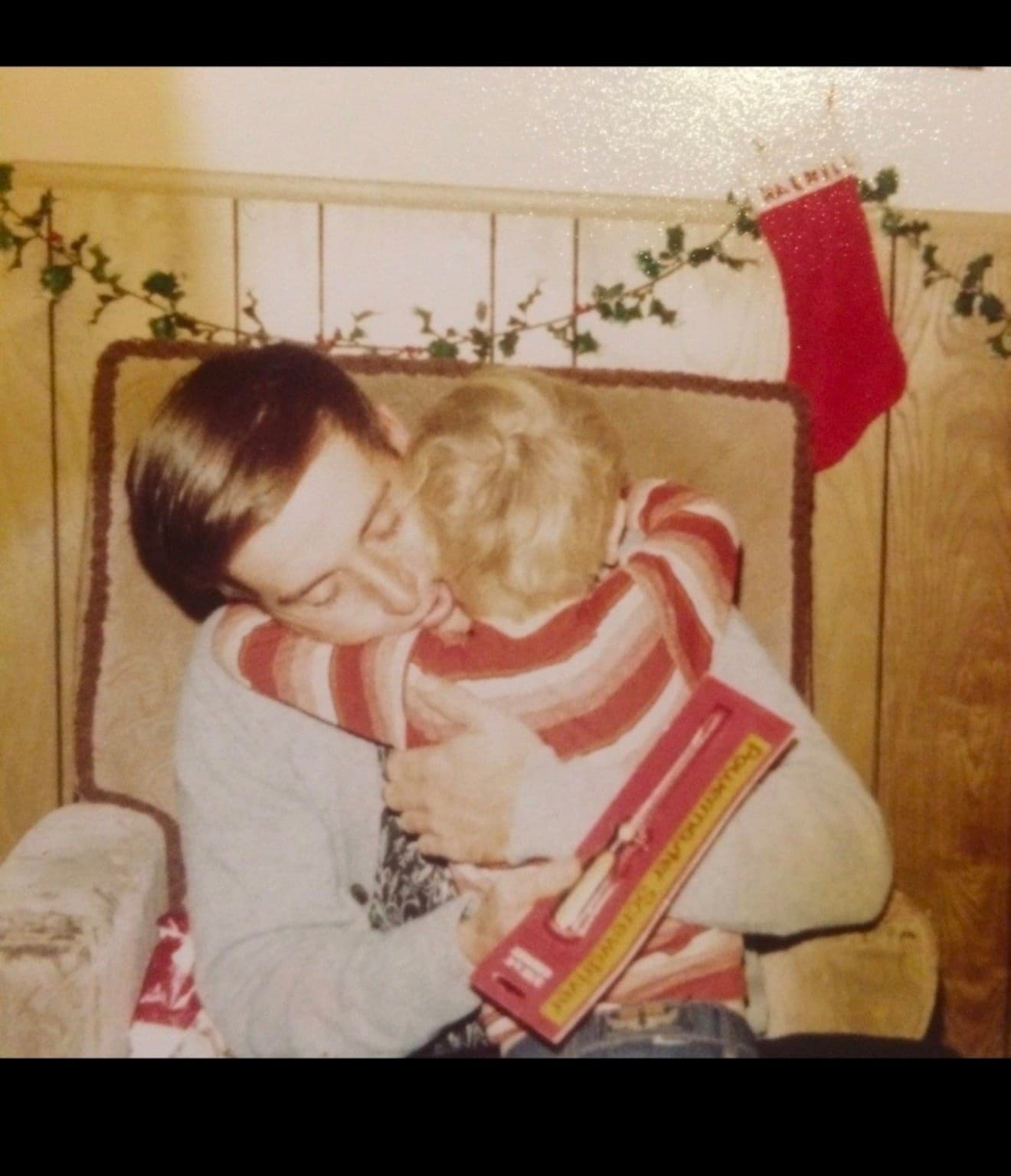
Tom Mitchell's father holding him as a child

The OG Hovel Maker

Before the machines, there was my dad.

Hovel began with an older rule: see what needs doing, use what you have got, make something useful, and care for the people around the work.

See · Use · Make · CareTechnology changes. The job stays the same.

That is still the standard: a useful thing, built around real people, that holds up after the demo is over.

Tell us what keeps breaking

What keeps getting lost, delayed, repeated, forgotten, or left unpaid?

No technical language. No polished plan. Tell us what happens now, where it goes wrong, and what it costs you when it does. Tom will tell you whether there is a simple, useful tool worth building around it.

thomas.mitchell@hovelideas.com

Three things. Plain language.

A human reads this. No automated sales funnel. No software vocabulary required.